A supplier document discrepancy is rarely just an administrative inconvenience. When a COA, invoice, packing slip, shipping label, or product label does not align, the material’s identity, batch traceability, and suitability for research review may be unclear. For research peptides, reagents, and lyophilized powders, that uncertainty should be resolved before the item is released for laboratory handling or entered into inventory.
The right response is controlled rather than reactive: isolate the issue, compare the original order against the received goods, obtain clarification from the supplier, and preserve a documented decision trail. A missing character in a lot number may be correctable. A mismatch in compound identity, concentration, or testing documentation is more serious and may require rejection or replacement.
What Counts as a Supplier Document Discrepancy?
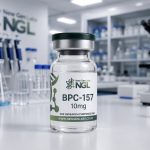
A discrepancy exists when two or more records that should describe the same material provide conflicting information. The conflict may be obvious, such as a vial labeled BPC-157 while the accompanying COA identifies another compound. It can also be subtle, such as an invoice that lists a 10 mg format while the label and order confirmation indicate 5 mg.
Receiving teams should compare each incoming shipment against the purchase order, order confirmation, packing slip, product label, shipping documentation, and COA where available. The goal is not to create unnecessary friction for reliable suppliers. It is to confirm that every record supports the same chain of identity from order placement through receipt.
For research-use materials, the most consequential fields are typically compound name, product format, stated quantity, lot or batch number, supplier name, date of manufacture or retest date where provided, and COA reference. If a supplier uses internal item codes, those codes should also be traceable to the exact product ordered.
Why Documentation Alignment Matters for Research Materials
A COA has value only when it can be confidently tied to the specific material received. A purity result, analytical method, and batch identifier may appear credible on their own, but they do not verify the shipment if the batch number on the document does not match the vial, outer packaging, or supplier record.
Documentation alignment also protects inventory control. A research operation may store multiple peptides or reagents with similar naming conventions, similar vial formats, or identical fill volumes. An incorrect label or inconsistent product code can lead to a material being logged under the wrong record. Once that happens, later review of testing documentation, handling history, or purchase records becomes more difficult.
The commercial impact is equally practical. Documented discrepancies create a clear basis for a replacement request, credit, or corrective action. Without photographs, receiving notes, and timestamped correspondence, a dispute can become a matter of recollection rather than evidence.
The First Response: Hold, Record, and Compare
Do not relabel, repackage, or discard anything before documenting the condition as received. Place the affected material in a designated hold area or otherwise mark it as not released for research use. This is especially relevant for lyophilized powders, where an unlabeled or incorrectly documented vial should not be assumed to match a neighboring product.
Create a discrepancy record with the order number, receipt date, supplier, product name, quantity, lot number, and a concise description of the conflict. Include clear photographs of the external package, vial label, packing slip, and relevant section of the COA. If packaging was damaged, record that separately. Damage and identity discrepancies can overlap, but they are not the same issue.
Next, compare records in a fixed sequence. Start with what was ordered, then what the supplier confirmed, then what was physically received, and finally what the testing documentation states. This sequence helps identify whether the issue began at ordering, fulfillment, labeling, or document generation.
A simple transcription mistake in a PDF may not affect the material itself. A lot number that differs between the vial and COA, however, breaks the direct connection between the product and its analytical results until the supplier can explain it.
Investigating Common Discrepancy Types
Lot Number or Batch Number Mismatch
A batch mismatch is generally a release-blocking issue. Ask the supplier to confirm which lot was shipped and provide a corrected COA or written statement that explains the relationship between the packaging identifier and the test report. Do not treat a visually similar lot number as a match. Differences such as 0 and O, 1 and I, or omitted prefixes can cause avoidable errors.
A supplier may use one identifier for manufacturing and another for packaging or fulfillment. That arrangement is not automatically unacceptable, but the relationship should be documented clearly enough for an independent reviewer to follow.
Product Name, Salt Form, or Format Conflict
Compound names can be abbreviated, but abbreviations should not create ambiguity. Verify whether the difference reflects a naming convention, a salt form, a blend, or a genuinely different item. The same approach applies to format. A listing for a lyophilized 10 mg vial is not interchangeable with a 10 mg/mL prepared solution, even if the total stated amount appears similar.
If the product label is incomplete, request the full specification rather than relying on assumptions. For research materials, clarity around identity and format is part of basic traceability.
Quantity or Unit Discrepancy
Quantity issues often arise from confusing total units, vial count, net content, and concentration. For example, an invoice may show one line item while the shipment contains multiple vials, or a label may state the per-vial amount rather than the total order quantity.
Resolve these issues against the order confirmation and physical count. If the order was for multiple identical units, confirm that every vial carries a legible and consistent identifier. A correct total quantity does not compensate for missing batch traceability on individual units.
Missing, Outdated, or Incomplete COA
A missing COA does not prove a product is unsuitable, but it means the documentation package is incomplete. Request the COA associated with the exact lot received and check whether it includes the material identity, lot number, test date, analytical results, and issuing laboratory or responsible party.
An older COA can be acceptable when it is clearly linked to the same lot and the product’s documentation supports that relationship. It depends on the supplier’s quality system, the type of material, storage history, and the intended research controls. What matters is that the rationale is documented, not assumed.
Communicating With the Supplier Efficiently
A precise request gets a faster answer than a general complaint. State the purchase order or order number, product name, lot number shown on the vial, conflicting lot number or detail shown on the document, and the specific corrective action needed. Attach the relevant images and keep the communication in one traceable thread.
The appropriate request may be a corrected COA, revised invoice, replacement material, return authorization, or written explanation of a documented identifier change. Avoid asking the supplier to simply confirm that the item is correct. Ask for evidence that connects the shipment, label, and test record.
Supplier responsiveness is useful quality information. A credible supplier should be able to explain its document-control process, locate batch records, and issue corrections without creating new inconsistencies. A delayed response is not always evidence of a quality failure, but repeated uncertainty around basic documentation should inform future purchasing decisions.
When to Accept, Correct, or Reject the Shipment
Not every discrepancy requires rejection. A typographical error on an invoice may be corrected after the supplier confirms the original order, label, and COA all align. Record the correction, retain the supplier’s response, and update the receiving file.
A discrepancy should remain on hold when it affects product identity, batch linkage, stated quantity, format, or the validity of analytical documentation. Release should occur only after the issue is resolved through objective records. If the supplier cannot establish that connection, rejection or return is the defensible outcome.
For higher-value or higher-sensitivity materials, consider a second-person review before releasing a corrected record. This adds a small administrative step, but it reduces the risk that the same assumption is repeated by the person who first identified the issue.
Build a Receiving Process That Prevents Repeat Issues
The most effective control is a consistent receiving checklist used for every supplier shipment, not only when something looks wrong. Match the order, shipment, labels, and COA before the material reaches general inventory. Retain digital copies under a naming convention that includes the supplier, product, lot number, and receipt date.
Supplier scorecards can also help identify patterns. Track documentation accuracy, COA availability, response time, fulfillment accuracy, and the frequency of corrective actions. A low price is only one purchasing variable. For research peptides and reagents, verifiable lot-level documentation often carries more value than a small upfront saving.
Clear records turn a supplier document discrepancy from an uncertain receiving event into a controlled quality decision. When every vial, document, and batch identifier tells the same story, researchers can focus on the work in front of them rather than reconstructing what arrived.